

Equine Influenza
Important Information for Competitors & Visitors
At the Scottish Open for The Icelandic Horse, our team is taking sensible, proactive steps to help reduce the risk of Equine Influenza spreading between horses attending the event. While we are doing everything reasonably possible to promote good biosecurity, it is important to understand that no event can completely remove the risk of infectious disease.
By attending the Scottish Open — whether as a competitor, visitor, volunteer, or supporter — you acknowledge that the health and wellbeing of your horse remains your responsibility at all times.
The Scottish Open team cannot accept liability if a horse becomes unwell during or after the event, including horses that do not attend but may have been in contact with those that did.
Our aim is simple: to provide a safe, enjoyable environment for everyone while encouraging responsible, informed participation.
What Equine Influenza Is
Equine Influenza (EI) is a highly contagious respiratory virus that affects horses, ponies, and donkeys. It spreads quickly between animals, causing coughing, fever, and tiredness. Most horses recover well with rest and care, but the virus can disrupt training, travel, and competition plans — which is why good biosecurity matters.
Common Signs & Symptoms
These are the most typical signs owners should look out for:
- Coughing (dry, persistent)
- Fever
- Nasal discharge
- Lethargy or reduced energy
- Loss of appetite
- Muscle soreness
- Swollen glands
Any horse showing these symptoms should not attend the event.
How It Spreads
Equine Influenza spreads mainly through:
- Respiratory droplets from coughing or snorting
- Close contact between horses
- Shared equipment (buckets, tack, grooming tools)
- People’s hands, clothing, or footwear after touching other horses
- Airborne particles in enclosed or busy areas
It is not dangerous to humans, but humans can accidentally carry it between horses.
Why We’re Taking Precautions
Our goal at the Scottish Open for The Icelandic Horse is to create a safe, enjoyable environment for everyone. We cannot eliminate the risk of Equine Influenza entirely — no event can — but we can reduce it significantly by encouraging responsible behaviour, good hygiene, and sensible distancing between horses.
These measures protect not only horses attending the event, but also those at home who may come into contact with them afterwards.
Competitors
In light of the current Equine Influenza situation across the country, we are taking additional steps to ensure you and your horse can continue to enjoy our in‑person event whilst helping to keep everyone safe.
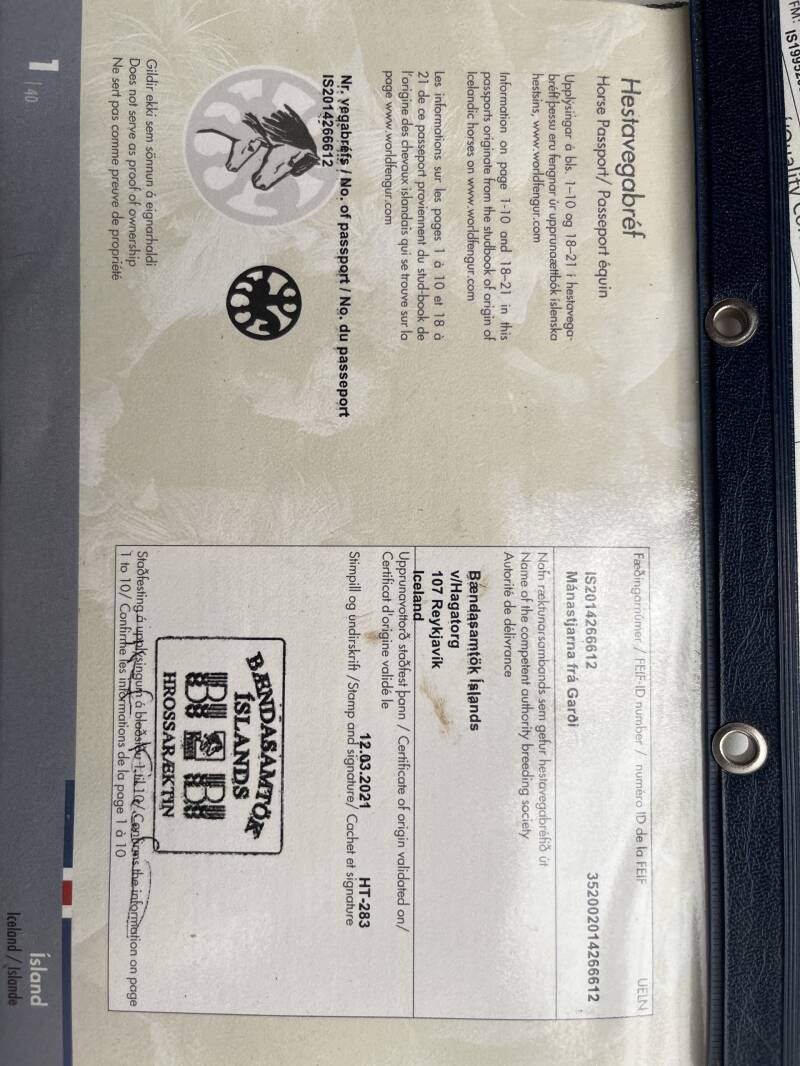
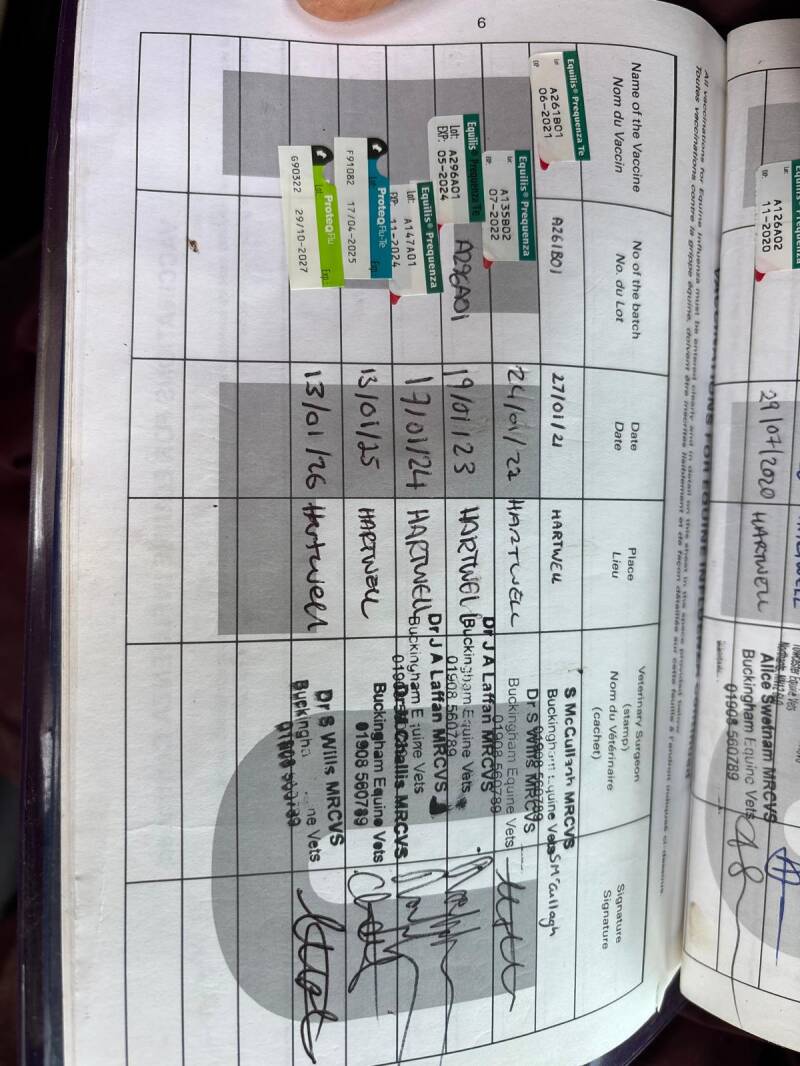
In order to assist the Scottish Open for The Icelandic Horse team, we are asking all competitors to submit your horse's vaccination records by sending clear photographs or scans of the horse details page (front page with horse details) and and the current up-to-date vaccination record page (showing the most recent vaccination) via the entry form. This is essential to verify that your horse has been vaccinated against Equine Influenza. Entries cannot be accepted without this evidence.
This will remove the need to check each horses passport details when you arrive on site, prior to unloading your horse. Please be aware Netherton Equestrian staff or the Scottish Open for The Icelandic Horse team may ask to see your horses passport to confirm details.
What Competitors Must Do
To support good biosecurity, all competitors are asked to:
- Upload a clear image of their horse’s passport vaccination page at the point of entry
- Ensure their horse is up to date with annual boosters
- Monitor their horse’s temperature in the days leading up to the event
- Avoid direct contact between horses from different yards
- Use hand sanitiser after touching shared surfaces or equipment
These steps help us maintain a safe competition environment for everyone.
Examples of Uploads
What Visitors Must Do
Visitors play an important role in keeping horses safe. Please:
- Do not touch, feed, or approach any horse unless the handler gives permission
- Keep a safe distance when moving around the venue
- Supervise children closely around horses
- Wash or sanitise your hands if you have been around other horses recently
These simple actions help prevent accidental spread between yards.

When Not to Attend
For the safety of all horses, please do not attend the event if:
- Your horse is showing any signs of illness
- You have been in contact with horses that have recently become unwell
- Your yard, or neighbouring yards, are under movement or illness restrictions
- You are unable to provide the required vaccination evidence (competitors only)
Staying home in these situations protects the wider equine community.
Sources for Further Reading
These organisations provide information on Equine Influenza: